• FindZebra
  • About
  • Contact
  • Help
  • Login
Advanced
  • Diabetic Embryopathy Wikipedia
    Stuart; Kitzmiller, John L. (1981-05-28). "Elevated Maternal Hemoglobin A1C in Early Pregnancy and Major Congenital Anomalies in Infants of Diabetic Mothers".
    CACNA1C, DDIT3, FOXO3, SOD2, TXN, PPARGC1A, RASA3, ANKRD11, MIR27A
  • Postcholecystectomy Syndrome Wikipedia
    . ^ Schmidt M, Søndenaa K, Dumot JA, Rosenblatt S, Hausken T, Ramnefjell M, Njølstad G, Eide GE (28 March 2012). "Post-cholecystectomy symptoms were caused by persistence of a functional gastrointestinal disorder" .
  • Inappropriate Sinus Tachycardia Wikipedia
    "Deciphering the sinus tachycardias" . Clinical Cardiology . 28 (6): 267–76. doi : 10.1002/clc.4960280603 .
    CPT2
  • Meige's Syndrome Wikipedia
    Archived from the original on 2009-02-28. External links [ edit ] Classification D ICD - 10 : G24.4 ICD - 9-CM : 333.82 MeSH : D008538 DiseasesDB : 31428 v t e Diseases of the nervous system , primarily CNS Inflammation Brain Encephalitis Viral encephalitis Herpesviral encephalitis Limbic encephalitis Encephalitis lethargica Cavernous sinus thrombosis Brain abscess Amoebic Brain and spinal cord Encephalomyelitis Acute disseminated Meningitis Meningoencephalitis Brain / encephalopathy Degenerative Extrapyramidal and movement disorders Basal ganglia disease Parkinsonism PD Postencephalitic NMS PKAN Tauopathy PSP Striatonigral degeneration Hemiballismus HD OA Dyskinesia Dystonia Status dystonicus Spasmodic torticollis Meige's Blepharospasm Athetosis Chorea Choreoathetosis Myoclonus Myoclonic epilepsy Akathisia Tremor Essential tremor Intention tremor Restless legs Stiff-person Dementia Tauopathy Alzheimer's Early-onset Primary progressive aphasia Frontotemporal dementia / Frontotemporal lobar degeneration Pick's Dementia with Lewy bodies Posterior cortical atrophy Vascular dementia Mitochondrial disease Leigh syndrome Demyelinating Autoimmune Inflammatory Multiple sclerosis For more detailed coverage, see Template:Demyelinating diseases of CNS Episodic/ paroxysmal Seizures and epilepsy Focal Generalised Status epilepticus For more detailed coverage, see Template:Epilepsy Headache Migraine Cluster Tension For more detailed coverage, see Template:Headache Cerebrovascular TIA Stroke For more detailed coverage, see Template:Cerebrovascular diseases Other Sleep disorders For more detailed coverage, see Template:Sleep CSF Intracranial hypertension Hydrocephalus Normal pressure hydrocephalus Choroid plexus papilloma Idiopathic intracranial hypertension Cerebral edema Intracranial hypotension Other Brain herniation Reye syndrome Hepatic encephalopathy Toxic encephalopathy Hashimoto's encephalopathy Both/either Degenerative SA Friedreich's ataxia Ataxia–telangiectasia MND UMN only: Primary lateral sclerosis Pseudobulbar palsy Hereditary spastic paraplegia LMN only: Distal hereditary motor neuronopathies Spinal muscular atrophies SMA SMAX1 SMAX2 DSMA1 Congenital DSMA Spinal muscular atrophy with lower extremity predominance (SMALED) SMALED1 SMALED2A SMALED2B SMA-PCH SMA-PME Progressive muscular atrophy Progressive bulbar palsy Fazio–Londe Infantile progressive bulbar palsy both: Amyotrophic lateral sclerosis
    TOR1A, THAP1
    • Meige Disease Orphanet
      Meige disease is a frequent form of late-onset, primary lymphedema characterized by lower limb lymphedema typically developing during puberty.
    • Blepharospasm-Oromandibular Dystonia Syndrome Orphanet
      A focal dystonia involving symmetrical benign essential blepharospasm (BEB) and oromandibular dystonia.
    • Meige Syndrome GARD
      Meige syndrome is a rare, neurological condition characterized by blepharospasm (abnormal movement of the eyelids); oromandibular dystonia (spasms in the jaw and tongue); and sometimes, cervical dystonia . Symptoms and severity can vary. The exact cause of Meige syndrome is unknown, but researchers suspect that it is due to a combination of genetic and environmental factors. Treatment focuses on each person's symptoms and may include drug therapy and/or botulinum A toxin (Botox) injections. Other treatment options, such as deep brain stimulation , are currently being considered.
  • Scleritis Wikipedia
    Retrieved 20 June 2010 . ^ Vorvick, Linda J. (July 28, 2010). "Scleritis" . PubMed Health .
    MBTPS2, CTLA4, ACE, IL2, INSRR, STAT1, TNF, KNTC1, PTPN22, IL17D, MYDGF, IL27
  • Fallopian Tube Cancer Wikipedia
    "Fallopian tube malignancies: A retrospective clinical pathological study of 17 cases". J Obstet Gynaecol . 28 (1): 93–5. doi : 10.1080/01443610701811894 .
    BRCA1, BRCA2, MUC16, ATM, BARD1, EGFR, IDO1, NF2, TP53, CASC1
  • Sooty Blotch And Flyspeck Wikipedia
    Their 1 month old DNA was extracted and two regions, ITS1 and 28S ribosomal RNA sequenced. Parsimony analysis , bootstrapping and the minimum evolution principle led to groups of species, further described by conidial and colony morphology.
  • Dizziness Wikipedia
    Restorative Neurology and Neuroscience . 28 (1): 83–90. doi : 10.3233/RNN-2010-0530 .
    ABCB1, CYP2D6, ACHE, ARHGEF2, PFN2, RAP1A, S100B, CCL2, SGSH, SHBG, SRY, TPM3, PER2, CHRNA6, SELENBP1, SPAG9, LGI1, OPRM1, ASIC3, TES, RABGEF1, TERF2IP, CCHCR1, SLC2A4RG, SIL1, EHMT1, PANK2, SPRTN, LRRK2, COPD, GRXCR1, PAEP, NTRK1, ADCY5, FES, APOE, AVP, CHRNA3, CHRNA4, CHRNA7, CHRNB2, CHRNB3, CHRNB4, COMT, CUX1, CYP3A5, DPP4, DSPP, GCG, NT5E, GFAP, GFER, GJA1, GLP1R, GRM5, HINT1, IFNA1, IFNA13, IGF1, IL1B, KCNJ13, MME, NPPA, ZGLP1
    • Dizziness Mayo Clinic
      Overview Dizziness is a term used to describe a range of sensations, such as feeling faint, woozy, weak or unsteady. Dizziness that creates the false sense that you or your surroundings are spinning or moving is called vertigo. Dizziness is one of the more common reasons adults visit their doctors. Frequent dizzy spells or constant dizziness can significantly affect your life. But dizziness rarely signals a life-threatening condition. Treatment of dizziness depends on the cause and your symptoms.
  • Blackwater Fever Wikipedia
    "Blackwater fever" (in French). 31 (28). Presse médicale (Paris, France: 1983): 1329–34.
  • Hypertrophic Osteodystrophy Wikipedia
    Veterinary Learning Systems. 23 (9): 22–28. ^ Ettinger, Stephen J.; Feldman, Edward C. (1995).
  • Rubinstein-Taybi Syndrome 2 OMIM
    Her mother had preeclampsia during the pregnancy, and the patient was born prematurely at age 28 weeks' gestation. Hamilton et al. (2016) reported heterozygous de novo mutations at highly conserved residues in the EP300 gene in 9 unrelated patients from the UK or Ireland with RSTS2.
    CREBBP, EP300, SMOC1, EIF4E, PCBP4, PAG1, OPN1LW, MECP2, HTC2, RECQL4, ENOSF1, KAT6B, TWIST1, TNFRSF13B, SRCAP, ZEB2, TMPRSS11D, NIPBL, BMP2, SMARCA4, SMARCA2, SLC20A1, CREB1, POU1F1, OGG1, IGFALS, TNC, HBA2, HBA1, FOXG1, SHH
    • Rubinstein-Taybi Syndrome GeneReviews
      Summary Clinical characteristics. Rubinstein-Taybi syndrome (RSTS) is characterized by distinctive facial features, broad and often angulated thumbs and halluces, short stature, and moderate-to-severe intellectual disability. The characteristic craniofacial features are downslanted palpebral fissures, low-hanging columella, high palate, grimacing smile, and talon cusps. Prenatal growth is often normal, then height, weight, and head circumference percentiles rapidly drop in the first few months of life. Short stature is typical in adulthood. Obesity may develop in childhood or adolescence. Average IQ ranges between 35 and 50; however, developmental outcome varies considerably.
    • Chromosome 16p13.3 Deletion Syndrome, Proximal OMIM
      A number sign (#) is used with this entry because the phenotype is a contiguous gene syndrome caused by deletion of chromosome 16p13.3, affecting the CREBBP (600140), DNASE1 (125505), and TRAP1 (HSP75; 606219) genes. Rubinstein-Taybi syndrome-1 (RSTS1; 180849) is caused by point mutations or deletions within the CREBBP gene. Clinical Features Bartsch et al. (1999) reported 2 patients with RSTS caused by large deletions of chromosome 16p13.3 who died in infancy, which is rare in RSTS. One of these patients had accessory spleens, hypoplastic left heart, abnormal pulmonary lobulation, and renal agenesis. The other patient had severe neonatal seizures. The combination of RSTS and hypoplastic left heart had previously been described in only 1 patient (Stevens and Bhakta, 1995).
    • Rubinstein-Taybi Syndrome 1 OMIM
      Using high resolution array comparative genomic hybridization (array CGH) targeting exons, Tsai et al. (2011) identified a de novo 5- to 6-kb deletion on chromosome 16p13.3 encompassing exons 27 and 28 of the CREBBP gene in a male infant with classic clinical features of RSTS.
    • Rubinstein-Taybi Syndrome Orphanet
      A rare, genetic malformation syndrome characterized by congenital anomalies (microcephaly, specific facial characteristics, and broad thumbs and halluces), short stature, intellectual disability and behavioral characteristics. Epidemiology Birth prevalence is estimated at around 1/100,000 to 125,000. Clinical description Facial features, which become more prominent with age, include highly arched eyebrows, long eyelashes, downslanting palpebral fissures, convex nasal ridge, low hanging columella, highly arched palate and micrognathia. Talon cusps are very frequent on the permanent incisors. An unusual smile with almost complete closure of the eyes is present in most individuals. Other physical findings may include eye anomalies (nasolacrimal duct obstruction, congenital glaucoma, refractive errors), a variety of congenital heart defects (e.g. ventricular and atrial septal defect, patent ductus arteriosus), joint hypermobility, and skin anomalies (in particular keloid formation).
    • Rubinstein–taybi Syndrome Wikipedia
      Rare genetic condition Rubinstein–Taybi syndrome Other names Broad thumb-hallux syndrome or Rubinstein syndrome [1] Child with Rubinstein–Taybi syndrome Specialty Medical genetics Rubinstein–Taybi syndrome ( RTS ), is a condition characterized by short stature, moderate to severe learning difficulties, distinctive facial features, and broad thumbs and first toes. [2] Other features of the disorder vary among affected individuals. These characteristics are caused by a mutation or deletion in the CREBBP and/or EP300 gene located on chromosome 16. People with this condition have an increased risk of developing noncancerous and cancerous tumors , leukemia , and lymphoma . This condition is sometimes inherited as an autosomal dominant pattern and is uncommon. Many times it occurs as a de novo (not inherited) occurrence. It occurs in an estimated 1 in 125,000-300,000 births.
    • Rubinstein-Taybi Syndrome GARD
      Rubinstein-Taybi syndrome (RTS) is a syndrome characterized by broad thumbs and toes, short stature, distinctive facial features, and varying degrees of intellectual disability. The syndrome may be caused by a mutation in the CREBBP or EP300 gene, or as the result of a very small loss (microdeletion) of genetic material from the short (p) arm of chromosome 16 . In some people with RTS, the cause is unknown. While RTS can be inherited in an autosomal dominant manner, most cases result from a new ( de novo ) mutation in the responsible gene and are not inherited from a parent. Treatment is symptomatic and supportive.
  • Sundowning Wikipedia
    . ^ a b c d e f g h i Smith, G. (April 28, 2011). "Sundowning: Late-day confusion" . mayoclinic.com .
    ACHE, APOE
  • Fragile X-Associated Tremor/ataxia Syndrome Wikipedia
    .; Rosenwaks, Zev; Yang, Wang-Yong; Gerhardt, Jeannine; Disney, Matthew D.; Jaffrey, Samie R. (2014-02-28). "Promoter-bound trinucleotide repeat mRNA drives epigenetic silencing in fragile X syndrome" .
    FMR1, C9orf72, FXN, RAN, FMR1-AS1, IGFALS, UBR4, TARDBP, SOD1, IL13, KHDRBS1, MAK16, PLB1, EXOSC7, MIR574, MIR424, SRRM2, NUP62, ATXN10, MIR221, RBMS3, DROSHA, TRA2A, DOCK11, UBQLN2, DCTN4, DGCR8, PNO1, NOP56, DIP2B, IRF2BPL, BEAN1, ASPSCR1, NUFIP2, APOE, PTTG1, PLA2G2A, BRCA2, CDK5, DAXX, FANCD2, MTOR, GRM5, GTF2H1, IGF2R, IL10, LMNA, PLA2G1B, PPP2R2B, SQSTM1, PSEN1, PTBP1, RAD23A, RAD23B, SGCA, SLC1A3, TK2, VIM, YWHAZ, PLA2G6, ATM, HDAC3
    • Fragile X-Associated Tremor/ataxia Syndrome Orphanet
      Fragile X-associated tremor/ataxia syndrome (FXTAS) is a rare neurodegenerative disorder characterized by adult-onset progressive intention tremor and gait ataxia. Epidemiology Prevalence and incidence are unknown. The disease primarily affects males and there is a lifetime cumulated risk for men in the general population of about 1/8,000. Clinical description The age of onset of tremor and/or ataxia in males is about 60 years. The clinical presentation is heterogeneous with variable dominant manifestations including: intention tremor, progressive cerebellar gait ataxia, frontal executive dysfunction, cognitive decline, peripheral neuropathy, and dysautonomia. Other signs include mild parkinsonism and psychiatric manifestations (depression, anxiety, agitation) with possible progression to dementia.
    • Fragile X-Associated Tremor/ataxia Syndrome MedlinePlus
      Fragile X-associated tremor/ataxia syndrome (FXTAS) is characterized by problems with movement and thinking ability (cognition). FXTAS is a late-onset disorder, usually occurring after age 50, and its signs and symptoms worsen with age. This condition affects males more frequently and severely than females. Affected individuals have areas of damage in the part of the brain that controls movement (the cerebellum ) and in a type of brain tissue known as white matter, which can be seen with magnetic resonance imaging (MRI). This damage leads to the movement problems and other impairments associated with FXTAS.
    • Fragile X Syndrome MedlinePlus
      Fragile X syndrome is a genetic condition that causes a range of developmental problems including learning disabilities and cognitive impairment. Usually, males are more severely affected by this disorder than females. Affected individuals usually have delayed development of speech and language by age 2. Most males with fragile X syndrome have mild to moderate intellectual disability, while about one-third of affected females are intellectually disabled. Children with fragile X syndrome may also have anxiety and hyperactive behavior such as fidgeting or impulsive actions.
    • Fragile X Tremor/ataxia Syndrome OMIM
      A number sign (#) is used with this entry because fragile X tremor/ataxia syndrome (FXTAS) is caused by an expanded trinucleotide repeat in the FMR1 gene (309550.0004). In FXTAS, the expanded repeats range in size from 55 to 200 repeats and are referred to as 'premutations;' full repeat expansions with greater than 200 repeats results in fragile X syndrome (FXS; 300624) (Jacquemont et al., 2003). Description Jacquemont et al. (2007) provided a review of fragile X syndrome, which they characterized as a neurodevelopmental disorder, and FXTAS, which they characterized as a neurodegenerative disorder. Amiri et al. (2008) provided a review of FXTAS and noted that the pathogenesis of the disorder is distinct from that in fragile X syndrome. FXTAS results form a toxic gain of function of FMR1 RNA, whereas fragile X syndrome results from a loss of FMR1 function.
  • Hypertelorism Wikipedia
    ., PACS: Pediatric Plastic Surgery Volume I, 1984; Chapter 28 Orbital Hypertelorism by Ian T. Jackson ^ Tessier P, Guiot G, Derome P.
    EFNB1, ACOX1, KAT6B, SPECC1L, SIK3, MED13L, DICER1, GRIP1, TGDS, SUZ12, ATP6V0A2, RPGRIP1L, PIGN, LEMD3, POLR1A, SIN3A, SH2B1, PARS2, SMCHD1, CAMTA1, WDR4, MRAS, TXNL4A, CIT, POLR3A, IL1RAPL1, AP4S1, MAN1B1, CHSY1, KIAA0556, IQSEC2, SPART, NFASC, POGZ, MAPK8IP3, PACS2, NSMF, SETBP1, AUTS2, TCTN3, PSAT1, EFEMP2, VSX1, SLC45A1, SOST, TPRKB, WDPCP, POLR1D, RLIM, TMEM216, RSRC1, WAC, ACTL6B, PTRH2, SUFU, SLC25A24, DSE, BLNK, FOXP1, KIFBP, PHGDH, B3GAT3, FGF20, ELP4, B9D1, AFF4, ANKRD11, INTU, AHDC1, PGAP2, CCDC22, SETD2, UBE2T, CPLX1, ZMYND11, RIPK4, ADAMTS3, DPM1, FGF17, CACNA1G, HERC1, SEMA5A, FIBP, TRIP12, TRIP4, SNAP29, COG1, HS6ST1, RECQL4, EIF2AK3, CHST3, PIGL, CCNK, GPAA1, EED, OFD1, RBM10, SMC1A, LAGE3, TRRAP, LTBP4, OGT, PEX3, PTCH2, CNTNAP1, ITGA8, CDK10, CASK, CDK13, DCHS1, TBX4, POLR1C, RAI1, SEC24C, IRX5, ZMPSTE24, APC2, KLHL41, MAD2L2, ZBTB18, SEC23A, FBLN5, DEAF1, COLEC10, STAMBP, SPINT2, EBP, TBR1, SIX2, LRPPRC, ABCC9, GNE, ZBTB24, TTC37, SEMA3E, TMEM94, KIAA0586, PTDSS1, ZEB2, KIAA0753, AKT3, RUSC2, SEC24D, FIG4, WASHC5, MED12, SLC12A6, FGFRL1, TMCO1, LZTR1, TP53RK, TMEM107, SLX4, KISS1R, MYPN, PIGO, TMEM87B, WDR73, PIGY, COL27A1, UBE3B, RSPRY1, TICRR, TMEM67, STRADA, PGAP3, ANTXR1, KIAA1109, BRIP1, FBXO11, CSPP1, TCTN2, ALG13, GREB1L, FRAS1, CEP290, B9D2, CDCA7, ASXL3, SLC2A10, SPRY4, MED25, DDX59, TRAPPC9, IFT43, CHST14, BNC2, C12orf57, PHACTR1, EBF3, NALCN, KANSL1, PIGW, DOK7, SH3PXD2B, FAM149B1, FREM2, CTU2, KIF7, KBTBD13, GTF2H5, RNU4ATAC, TTN-AS1, JMJD1C, TUBB, TAPT1, B3GLCT, TWIST2, PROKR2, DNAJC21, MPLKIP, AMER1, A2ML1, CCBE1, FLCN, CEP120, ESCO2, FREM1, SPRED1, BMPER, ASXL1, EHMT1, ALG9, PALB2, TBL1XR1, NUP133, NGLY1, ERMARD, MCTP2, CENPJ, HDAC8, KLHL7, SMG9, ALG1, ANKH, LRRC8A, FAM20C, KIF15, CCDC47, KNL1, WDR11, TENM3, VAC14, CEP55, QRICH1, NSUN2, MKS1, PHIP, FANCL, RFWD3, FANCI, PACS1, ASXL2, SLC29A3, CHD7, OSGEP, PIGV, PEX26, RPGRIP1, NUP107, SALL4, BCL11B, FAM111A, MRPS14, XYLT2, NSD1, LMBR1, NXN, TMEM237, BCORL1, CPLANE1, COLEC11, ALG8, TMEM231, FAT4, SRD5A3, PIEZO2, PROK2, THOC2, WDR35, ADGRG6, GATAD2B, TBC1D24, SHROOM4, ARID1B, HACE1, CC2D2A, ALX4, DOCK6, CHD8, ZSWIM6, FANCM, EPG5, KMT2C, USP9X, ALX1, ACTA1, GNRH1, FOXE3, FLI1, FLII, FLNA, FLNB, MTOR, FUCA1, FZD2, GATA6, GBA, GJA1, GK, GPC3, GLB1, GLE1, FOXC1, FH, FGFR2, FBN1, FANCD2, FANCE, BPTF, FANCB, FANCF, FANCG, GPC4, FGFR3, FGD1, FGF3, FGF8, FGF10, FGF14, FGFR1, GLI3, GNRHR, FANCA, GP1BB, KISS1, KRAS, LBR, LETM1, LIG4, LMNA, LOX, LRP2, LRP4, LRP5, SMAD3, SMAD4, MAF, MAT2A, MEF2C, KCNJ2, KCNH1, ANOS1, HNRNPU, GTF2E2, H3-3A, HBA1, HBA2, HELLS, HNRNPH2, HRAS, ITGA3, HSD17B4, HSPG2, IGHM, IGLL1, INPPL1, INSR, FANCC, EZH2, HMGA2, CENPF, BGN, BMP2, BMPR1A, BRCA1, BRAF, BRCA2, BUB1B, CAMK2A, RUNX2, CBL, CCND2, CD79A, CD79B, CDC42, CDH1, NKX3-2, AVP, ATRX, JAG1, ACTA2, ACTB, ACTG1, ACY1, ADK, AGA, AKT1, ATP6V1E1, ALX3, ANK1, APC, ARVCF, ATP6V1A, ATP6V1B2, CDH11, CHD3, EXT2, CHD4, DLX4, DNMT3A, DNMT3B, DPH1, SLC26A2, DUSP6, DVL1, DVL3, DYRK1A, MEGF8, ELN, ERCC2, ERCC3, ERCC4, ERF, DHCR7, DDX3X, CTNND2, COL2A1, CHRNA1, CHRND, CHRNG, CNTN1, COL1A1, COL1A2, COL3A1, CTNND1, COL11A1, COL11A2, COMT, COX7B, CSNK2A1, CTBP1, MID1, KMT2A, MLLT1, TAZ, SET, SIM1, SKI, SKIV2L, SMO, SMS, SOS1, SOS2, SOX9, SOX10, STAT3, STIM1, TAC3, TACR3, MAP3K7, SCN1A, RYR1, RREB1, RET, RAD51C, RAF1, RAPSN, RASA2, RB1, DPF2, RIT1, RRAS, RMRP, RPL5, RPL35A, RPS6KA3, RPS7, RPS19, TBX1, TBCD, MMP2, TBCE, UFD1, UMPS, WHCR, NSD2, NELFA, WNT5A, XRCC2, YWHAE, ZIC1, ZIC3, RNF113A, BRPF1, SHOC2, PDHX, MFAP5, UBE2A, TWIST1, HIRA, TFAP2B, TBX2, TBX15, TCF3, TCF12, TCOF1, TFAP2A, TGFB2, TTN, TGFB3, TGFBR1, TGFBR2, THRA, TPM2, TPM3, RAD51, ALDH18A1, PYCR1, PEX5, TRIM37, MUSK, MYH3, MYH11, MYLK, MYOD1, NEB, NF1, NFIX, TONSL, NONO, NOTCH2, NOTCH3, NRAS, ROR2, TRNW, TRNS2, TRNS1, COX3, ALDH6A1, MOCS1, MOCS2, ATP6, COX1, COX2, ND1, TRNQ, ND4, ND5, ND6, TRNF, TRNH, TRNL1, DDR2, NUP88, PAFAH1B1, PRPS1, PPP2R5D, PPP3CA, PRKAR1A, PRKG1, MAP2K1, MAP2K2, MASP1, PPP2CA, PSMD12, PTCH1, PTEN, PTH1R, PTPN11, PEX2, PPP2R1A, PPP1CB, PAX3, PIGA, PAX6, PDE4D, PDE6D, PEPD, PEX1, PEX6, PIK3CA, POR, PIK3R1, PIK3R2, PITX2, PMM2, EXOSC9, POLR2F, SCN1A-AS1
    • Hypertelorism OMIM
      Description Although hypertelorism means an excessive distance between any paired organs (e.g., the nipples), the use of the word has come to be confined to ocular hypertelorism. Hypertelorism occurs as an isolated feature and is also a feature of many syndromes, e.g., Opitz G syndrome (145410), Greig cephalopolysyndactyly (175700), and Noonan syndrome (163950) (summary by Cohen et al., 1995). Pathogenesis Hypertelorism may be the consequence of arrest in development of the greater wings of the sphenoid, making them smaller than the lesser wings and thus fixing the orbits in the widely separated fetal position (summary by Cohen et al., 1995). Inheritance Bojlen and Brems (1938) traced hypertelorism through 5 generations in a pattern consistent with autosomal dominant inheritance. Friede (1954) described affected mother and daughter. Eyes - Hypertelorism Inheritance - Autosomal dominant ▲ Close
  • Peripheral Neuropathy, Autosomal Recessive, With Or Without Impaired Intellectual Development OMIM
    The patients ranged in age from 3 to 28 years. Initial features included hypotonia and mildly delayed motor development with most patients achieving walking by age 2 years, although 2 unrelated patients achieved walking at age 4 years.
    MCM3AP, MCM3AP-AS1
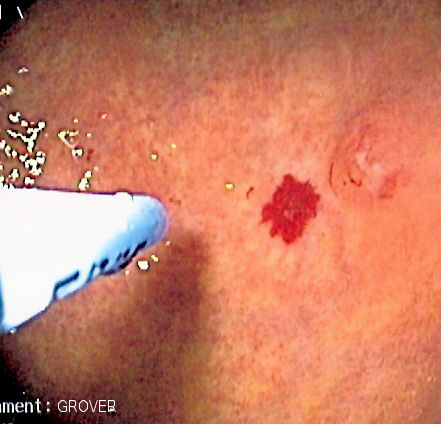
  • Angiodysplasia Wikipedia
    Transarterial embolization in acute colonic bleeding: review of 11 years of experience and long-term results. Int J Colorectal Dis. 2013 Jun;28(6):777-82". Cite journal requires |journal= ( help ) ^ Junquera F, Saperas E, Videla S, Feu F, Vilaseca J, Armengol JR, Bordas JM, Piqué JM, Malagelada JR (2007).
  • Turf Necrotic Ring Spot Wikipedia
    Most infection occurs in spring and fall when the temperature is about 13 to 28°C (5). The primary hosts of this disease are cool-season grasses such as Kentucky bluegrass and annual bluegrass (6).
  • Trichothiodystrophy Wikipedia
    American Journal of Human Genetics . 28 (5): 514–521. PMC 1685097 . PMID 984047 . ^ a b c Freedberg, et al. (2003).
    ERCC2, ERCC3, MPLKIP, GTF2H5, RNF113A, GTF2E2, GTF2H1, GTF2H3, GTF2H4, GTF2H2, NR1H2, XPC, TP53, HNF1B, HSP90B2P, IFI44, PPARGC1A, SIRT1, XPA, WDR77, DDR1, LBR, SREBF1, MMP1, CAT, ICAM1, HBB, ERCC6, COL6A1, CHEK1, CDK7, CCNH, H3P33
    • Trichothiodystrophy 2, Photosensitive OMIM
      A number sign (#) is used with this entry because of evidence that photosensitive trichothiodystrophy-2 (TTD2) is caused by homozygous mutation in the ERCC3/XPB gene (133510), which encodes a helicase subunit of transcription/repair factor TFIIH, on chromosome 2q14. Description Trichothiodystrophy is a rare autosomal recessive disorder in which patients have brittle, sulfur-deficient hair that displays a diagnostic alternating light and dark banding pattern, called 'tiger tail banding,' under polarizing microscopy. TTD patients display a wide variety of clinical features, including cutaneous, neurologic, and growth abnormalities. Common additional clinical features are ichthyosis, intellectual/developmental disabilities, decreased fertility, abnormal characteristics at birth, ocular abnormalities, short stature, and infections. There are both photosensitive and nonphotosensitive forms of the disorder.
    • Trichothiodystrophy 6, Nonphotosensitive OMIM
      A number sign (#) is used with this entry because of evidence that trichothiodystrophy-6 (TTD6) is caused by homozygous mutation in the GTF2E2 gene (189964) on chromosome 8p12. For a discussion of genetic heterogeneity of trichothiodystrophy, see 601675. Clinical Features Kuschal et al. (2016) reported a 10-year-old Asian boy and a 16-year-old Moroccan girl who both presented with short stature, microcephaly, brittle hair with 'tiger tail' banding on polarized microscopy, dry ichthyotic skin, and developmental delay with a happy personality. Laboratory studies showed low red blood cell mean corpuscular volume and elevated hemoglobin A2. Cells from both patients had normal post-UV DNA repair, with normal recruitment and efficiency of nucleotide excision repair (NER) proteins.
    • Trichothiodystrophy 5, Nonphotosensitive OMIM
      A number sign (#) is used with this entry because of evidence that nonphotosensitive trichothiodystrophy-5 (TTD5) is caused by mutation in the RNF113A gene (300951) on chromosome Xq24. One such family has been reported. For a general phenotypic description and a discussion of genetic heterogeneity of trichothiodystrophy, see TTD1 (601675). Clinical Features Corbett et al. (2015) described 2 male cousins, born of 2 sisters, who had intrauterine growth restriction, progressive microcephaly with profound intellectual disability, genital anomalies that included absent or rudimentary testes and microphallus, and severe linear growth failure despite normal growth hormone (GH1; 139250) production. On MRI, they both exhibited partial absence of the posterior portion of the corpus callosum, cerebellar hypoplasia, and a Dandy-Walker malformation. Both were social and engaging, but their expressive vocabulary consisted of only a few words in the second decade of life.
    • Trichothiodystrophy Orphanet
      Trichothiodystrophy or TTD is a heterogeneous group disorders characterized by short, brittle hair with low-sulphur content (due to an abnormal synthesis of the sulphur containing keratins). Epidemiology The exact prevalence of TTD is unknown, but it appears to be rather uncommon. Clinical description Within the spectrum of the TTD syndromes are numerous syndromes affecting mainly organs derived from the neuroectoderm. The clinical appearance is always characterized by brittle and fragile hair, often combined with growth retardation and intellectual deficit, congenital ichthyosis and nail abnormalities, among other symptoms. The abnormalities are usually obvious at birth, with variable clinical expression.
    • Trichothiodystrophy 3, Photosensitive OMIM
      A number sign (#) is used with this entry because of evidence that photosensitive trichothiodystrophy-3 (TTD3) is caused by homozygous or compound heterozygous mutation in the TFB5 gene (GTF2H5; 608780), which encodes a subunit of the transcription/repair factor TFIIH, on chromosome 6q25. Description Trichothiodystrophy is a rare autosomal recessive disorder in which patients have brittle, sulfur-deficient hair that displays a diagnostic alternating light and dark banding pattern, called 'tiger tail banding,' under polarizing microscopy. TTD patients display a wide variety of clinical features, including cutaneous, neurologic, and growth abnormalities. Common additional clinical features are ichthyosis, intellectual/developmental disabilities, decreased fertility, abnormal characteristics at birth, ocular abnormalities, short stature, and infections. There are both photosensitive and nonphotosensitive forms of the disorder.
  • Ortner's Syndrome Wikipedia
    Journal of the Saudi Heart Association . 28 (4): 266–269. doi : 10.1016/j.jsha.2016.02.006 .
  • Insensitivity To Pain, Congenital, With Anhidrosis OMIM
    Mapping Shatzky et al. (2000) studied CIPA in consanguineous Israeli-Bedouin groups in which the disorder has a relatively high prevalence. They reported clinical studies of 28 patients. Using the linkage approach, they found that 9 of 10 unrelated families with CIPA were linked to the NTRK1 gene, which had been mapped to chromosome 1q23-q24; in 1 family, linkage was excluded, implying genetic heterogeneity.
    NTRK1, NGF, DNMT1, RETREG1, NGFR, NDN, PKLR, RET, TRPV1
    • Congenital Insensitivity To Pain With Anhidrosis MedlinePlus
      Congenital insensitivity to pain with anhidrosis (CIPA) has two characteristic features: the inability to feel pain and temperature, and decreased or absent sweating (anhidrosis). This condition is also known as hereditary sensory and autonomic neuropathy type IV. The signs and symptoms of CIPA appear early, usually at birth or during infancy, but with careful medical attention, affected individuals can live into adulthood. An inability to feel pain and temperature often leads to repeated severe injuries. Unintentional self-injury is common in people with CIPA, typically by biting the tongue, lips, or fingers, which may lead to spontaneous amputation of the affected area.
    • Hereditary Sensory And Autonomic Neuropathy Type 4 Orphanet
      A rare hereditary sensory and autonomic neuropathy characterized by anhidrosis, insensitivity to pain, self-mutilating behavior and episodes of fever. Epidemiology Whilst several hundred cases have been reported worldwide, the exact prevalence is unknown. Most of the cases described were from the Israeli Bedouin population and Japan where the prevalence is estimated at 1/600,000-950,000. Clinical description The disease typically presents in early infancy, but may occasionally present during the neonatal period. Consanguinity has been reported in 50% of patients. Episodic fevers without obvious infections, extreme hyperpyrexia and febrile convulsions due to inability to dissipate heat as a result of anhidrosis as well as self-mutilation are usually the earliest signs of the disease.
    • Congenital Insensitivity To Pain With Anhidrosis Wikipedia
      Congenital insensitivity to pain with anhidrosis Other names hereditary sensory and autonomic neuropathy type IV Charcot joints are shown in this boy with CIPA. His right knee and right ankle are enlarged and distorted. The skin over the medial aspect of the ankle is darkened with a draining wound secondary to superimposed osteomyelitis . There are other areas of trauma and ulcers including a site on the right heel. Specialty Neurology Causes Genetic mutations Congenital insensitivity to pain with anhidrosis ( CIPA ) is a rare autosomal recessive disorder of the nervous system which prevents the feeling of pain or temperature, and prevents a person from sweating. Cognitive disorders are commonly coincident. CIPA is the fourth type of hereditary sensory and autonomic neuropathy (HSAN), and is also known as HSAN IV .
    • Congenital Insensitivity To Pain With Anhidrosis GARD
      Congenital insensitivity to pain with anhidrosis (CIPA) also known as hereditary sensory and autonomic neuropathy type IV, is an inherited disease where there is an inability to feel pain and temperature, and decreased or absent sweating ( anhidrosis ). The signs and symptoms of CIPA usually appear at birth or during infancy. The inability to feel pain and temperature often leads to repeated, severe injuries and unintentional self-injury is common. People with CIPA may also heal slowly from skin and bone injuries, which can lead to chronic bone infections ( osteomyelitis ) or a condition called Charcot joints . Absent sweating can cause recurrent, high fevers (hyperpyrexia) and seizures brought on by high temperature (febrile seizures).
  • ←
  • 1
  • 2
  • ...
  • 92
  • 93
  • 94
  • 95
  • 96
  • 97
  • 98
  • ...
  • 188
  • 189
  • →

FindZebra

contact@findzebra.com